How Google Ranks New Websites (Beginner-Friendly Explanation 2026)
How Google Ranks New Websites (Complete Beginner Guide)
One of the biggest questions new website owners ask:
“How does Google decide where to rank my new site?”
Many believe Google needs months before ranking new websites.
That’s not exactly true.
Google doesn’t rank based on age.
It ranks based on signals.
Let’s break it down clearly.
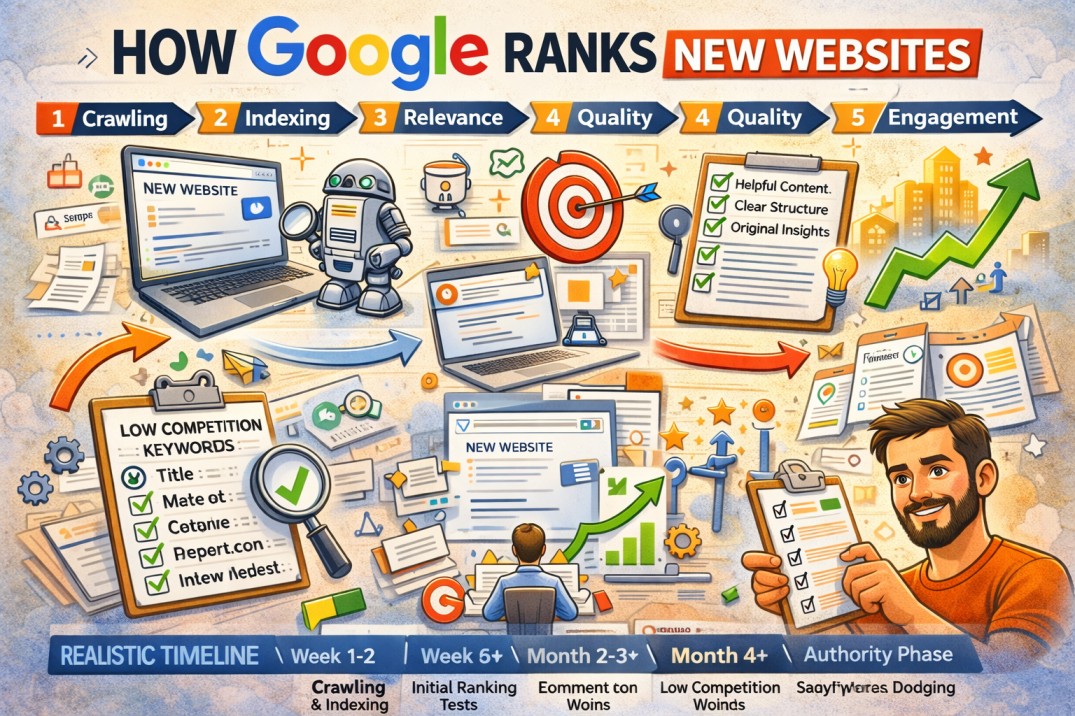
🧠 Step 1: Crawling – Discovering Your Website
Before ranking anything, Google must find it.
This happens through:
-
Sitemap submission
-
Internal links
-
External mentions
-
Google Search Console indexing request
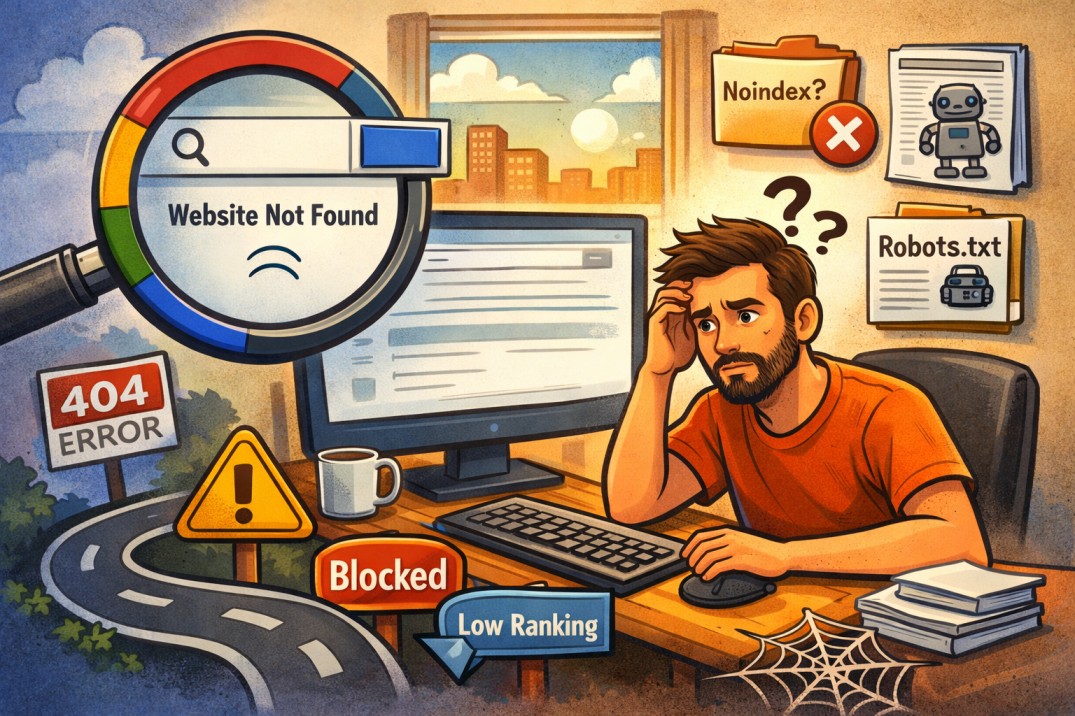
If Google can’t crawl your site → it can’t rank it.
Technical accessibility is step one.
🧠 Step 2: Indexing – Understanding Your Content
After crawling, Google tries to understand:
-
What is this page about?
-
What problem does it solve?
-
Who is it for?
Google analyzes:
-
Keywords
-
Headings structure
-
Content depth
-
Internal linking
-
Page layout
If you are unsure how to optimize these elements properly, follow our complete On-Page SEO checklist for beginners.
If your content is thin or unclear → indexing quality drops.
Using advanced text analysis tools can help you improve content clarity and topical coverage.
Clear structure improves indexing strength.
🧠 Step 3: Relevance – Matching Search Intent
This is where many new websites fail.
Google compares:
User query
vs
Your page content
If your page matches intent better than others → you can rank even as a new site.
Example:
If someone searches:
“how google ranks new websites”
They want:
✔ Explanation
✔ Clear steps
✔ Beginner-friendly structure
If your content is advanced and technical → mismatch.
Intent alignment is powerful.
🧠 Step 4: Quality Signals
Google evaluates quality through:
-
Content depth
-
Clarity
-
Helpful information
-
Original insights
-
Content freshness
Technical performance and page speed also play a crucial role in ranking.
It does NOT only measure word count.
It measures usefulness.
If your article solves the problem better than page 1 → you can rank.
🧠 Step 5: Engagement Signals
After ranking you temporarily, Google watches user behavior.
It checks:
-
Click-through rate (CTR)
-
Time on page
-
Bounce rate
-
Scroll depth
If users stay → rankings improve.
If users leave quickly → rankings drop.
Google tests new websites.
Performance determines stability.
🧠 Step 6: Authority Signals
For competitive keywords, Google also checks:
-
Backlinks
-
Brand mentions
-
Content clusters
-
Topical authority
But for low competition topics → relevance and structure can be enough.
Authority matters more as competition increases.
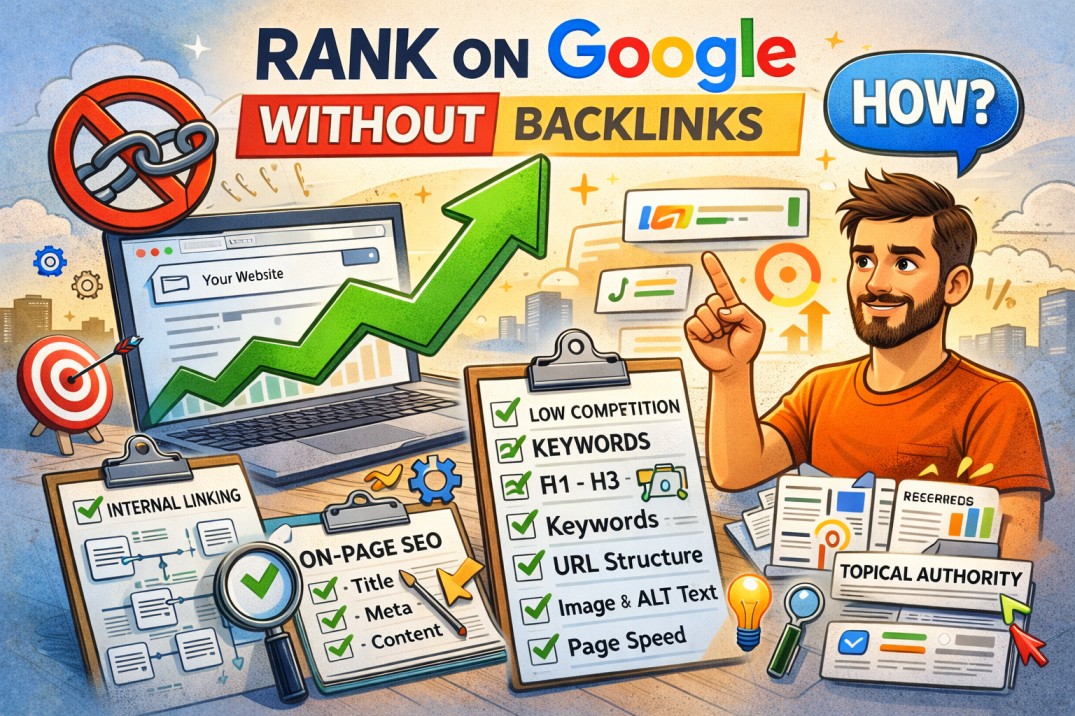
In fact, many new websites can rank on Google without backlinks when targeting the right keywords strategically.
🧠 Step 7: Freshness Factor
For some queries (like tools, trends, updates), Google prefers fresh content.
Updating articles:
-
Improves ranking signals
-
Refreshes crawl priority
-
Shows content activity
New websites can benefit from freshness advantage.
🚀 Why Some New Websites Rank Fast
New websites rank quickly when:
-
They perfectly match search intent
-
They build content clusters
-
They optimize internal linking
-
They publish consistently
It’s not luck.
It’s strategic targeting.
⚠️ Why Many New Websites Don’t Rank
Common mistakes:
❌ Targeting high competition keywords
❌ Publishing random topics
❌ No internal linking structure
❌ Weak content depth
❌ Ignoring search intent
Google ranks structured strategy — not random blogging.
📈 Realistic Timeline for New Websites
Week 1–2:
Crawling and indexing.
Week 3–6:
Initial ranking tests.
Month 2–3:
Stability for low competition keywords.
Month 4+:
Authority growth phase.
SEO is compound growth.
🏆 Simple Action Plan for New Websites
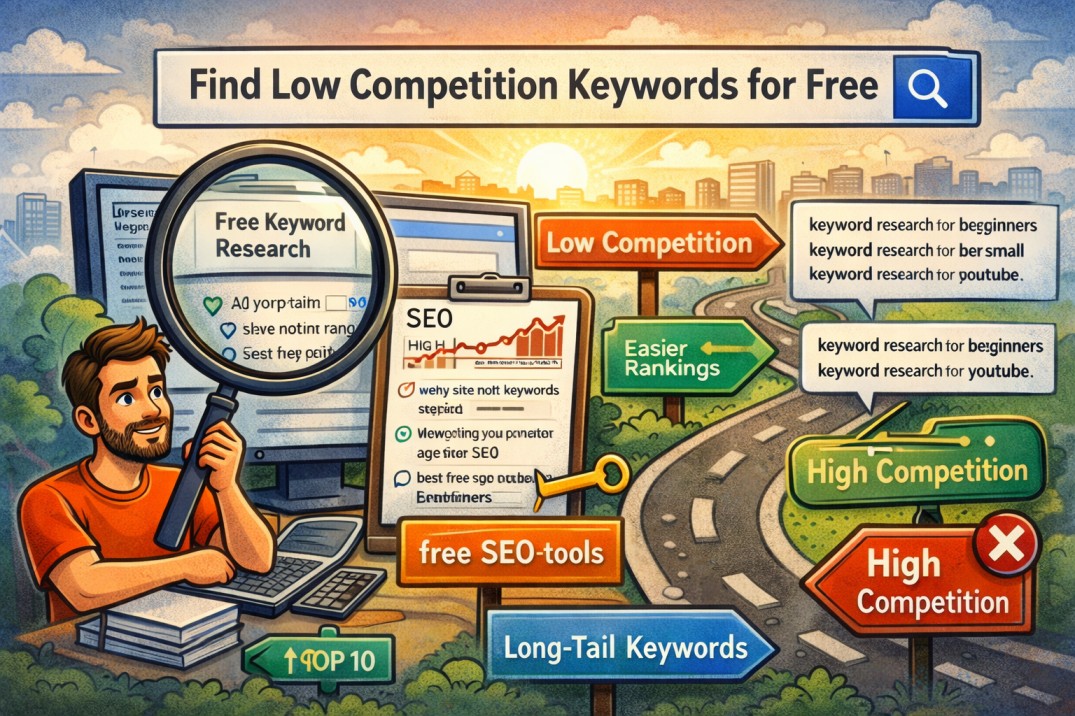
-
Publish 5–10 low competition articles
-
Interlink them logically
-
Optimize each page perfectly
-
Update content every 60–90 days
-
Monitor performance in Search Console
Consistency beats shortcuts.
FAQ Section
Does Google sandbox new websites?
Google doesn’t officially confirm a sandbox, but new websites may take time to build trust signals.
Can a new website rank in 30 days?
Yes, for low competition keywords with strong optimization.
Is website age important?
Age helps with authority, but relevance and quality matter more.