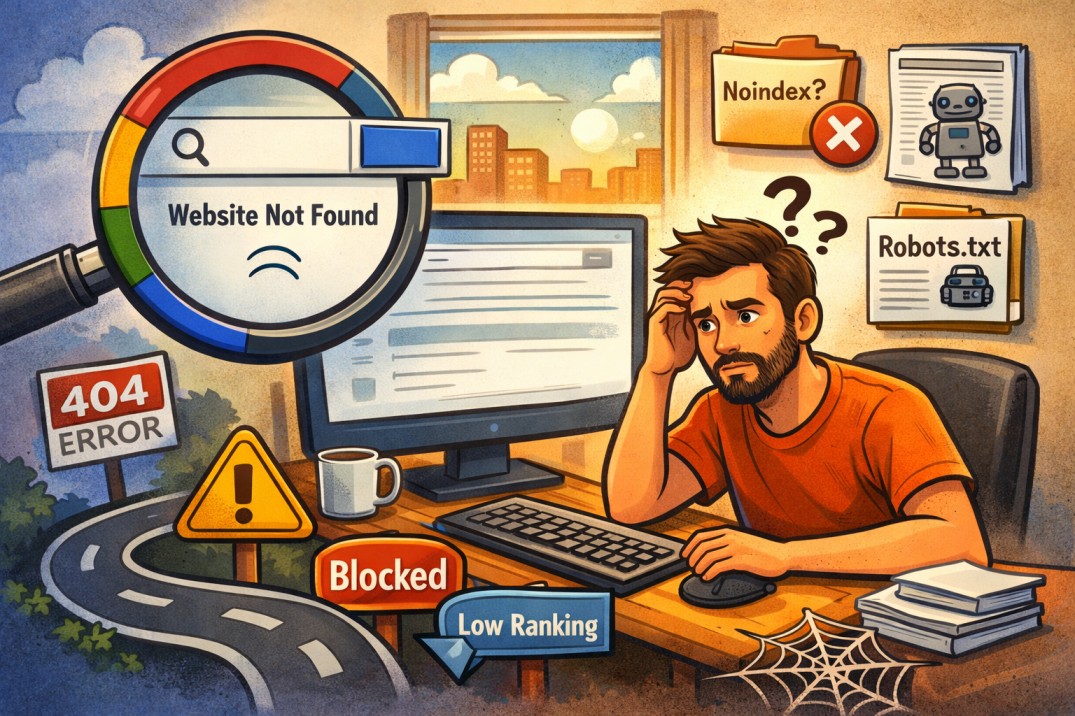
How I Tested Free SEO Tools and What Actually Worked
Introduction
Search engine optimization has become an essential part of running any successful website. Like many website owners, I started by relying heavily on free SEO tools, expecting them to provide accurate data and clear guidance. Over time, I realized that not all tools are equally reliable, and some results can even be misleading if misunderstood.
In this article, I share my real experience testing multiple free SEO tools and explain what actually worked, what didn’t, and how to use these tools more effectively.
Why I Decided to Test Free SEO Tools
At the beginning, I used free SEO tools because they were accessible and easy to use. However, I noticed that different tools often gave completely different results for the same website. This raised an important question: which SEO tools can really be trusted?
To find an answer, I decided to test several tools side by side, focusing on real use cases instead of just numbers.
How I Tested the Tools
I tested free SEO tools across several categories, including:
-
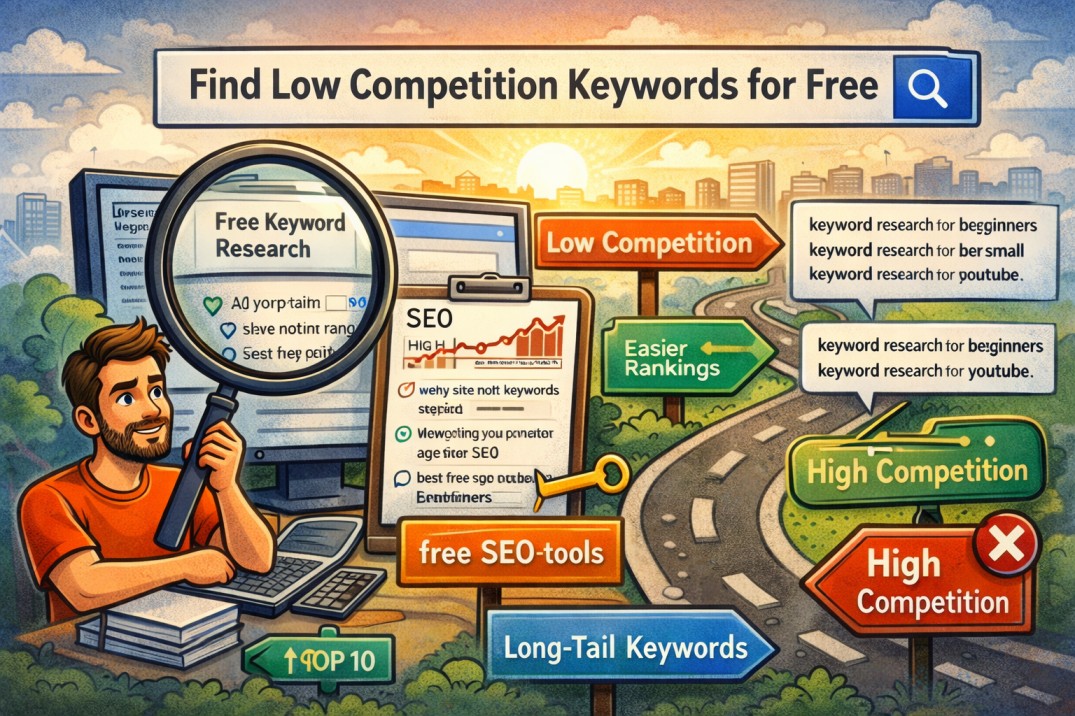
Keyword analysis
-
Website performance and speed
-
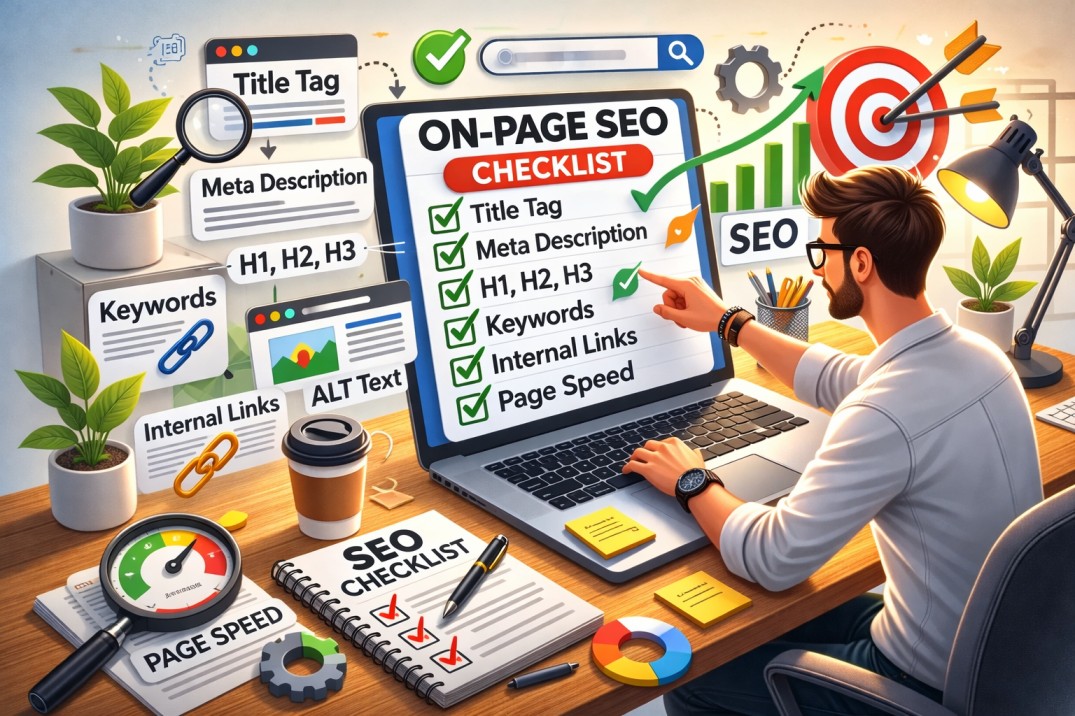
On-page SEO checks
-
Content readability and text analysis
For each tool, I used the same website and the same inputs to compare results fairly. I also focused on how useful the recommendations were in real-world situations.
What Actually Worked Well
Some tools provided consistent and helpful insights, especially in areas like:
-
Identifying obvious technical SEO issues
-
Highlighting slow-loading pages
-
Detecting missing meta tags or basic optimization problems
These tools were most useful when treated as guides, not final authorities. They helped me spot issues faster, but real improvement came from understanding the data, not blindly following suggestions.
What Didn’t Work (And Why)
Many tools showed overly simplified scores or generic warnings that didn’t reflect the real condition of the website. In some cases:
-
SEO scores were misleading
-
Keyword difficulty numbers varied widely
-
Automated suggestions lacked context
Relying on these results without analysis can lead to poor decisions and wasted effort.
The Most Important Lesson I Learned
Free SEO tools are helpful, but they are not replacements for understanding SEO fundamentals. The real value comes from combining tool data with human judgment, experience, and testing.
Instead of asking, “Which tool is the best?”, the better question is:
“How can I use this tool correctly?”
How to Use Free SEO Tools More Effectively
Based on my experience, here are a few practical tips:
-
Always compare results from more than one tool
-
Focus on patterns, not exact numbers
-
Use tools to identify problems, not to make final decisions
-
Learn basic SEO concepts to interpret results properly
Final Thoughts
Free SEO tools can be powerful when used correctly, but they should never be blindly trusted. Through real testing and hands-on experience, I learned that tools work best as assistants—not decision-makers.
Understanding SEO fundamentals and applying common sense will always outperform relying on automated results alone.