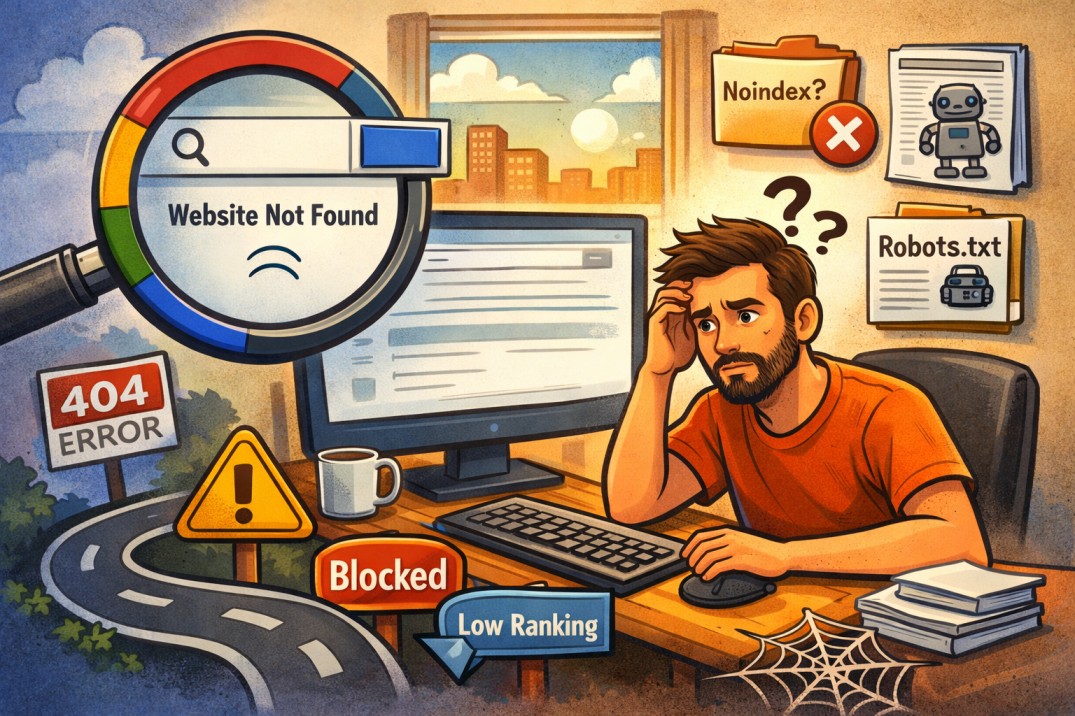
How to Improve Website SEO Without Paid Tools
Introduction
Many beginners believe that ranking a website on Google requires expensive SEO tools. In reality, strong SEO results come from understanding fundamentals, consistency, and smart use of free resources.
In this guide, you’ll learn how to improve your website’s SEO without paying for premium tools, using methods trusted by professionals.
1. Focus on High-Quality Content
Search engines prioritize content that genuinely helps users.
What to do:
-
Write in-depth articles that fully answer search intent
-
Avoid thin or copied content
-
Use clear structure: headings, lists, and short paragraphs
-
Update old content regularly
👉 One high-quality article is better than ten weak ones.
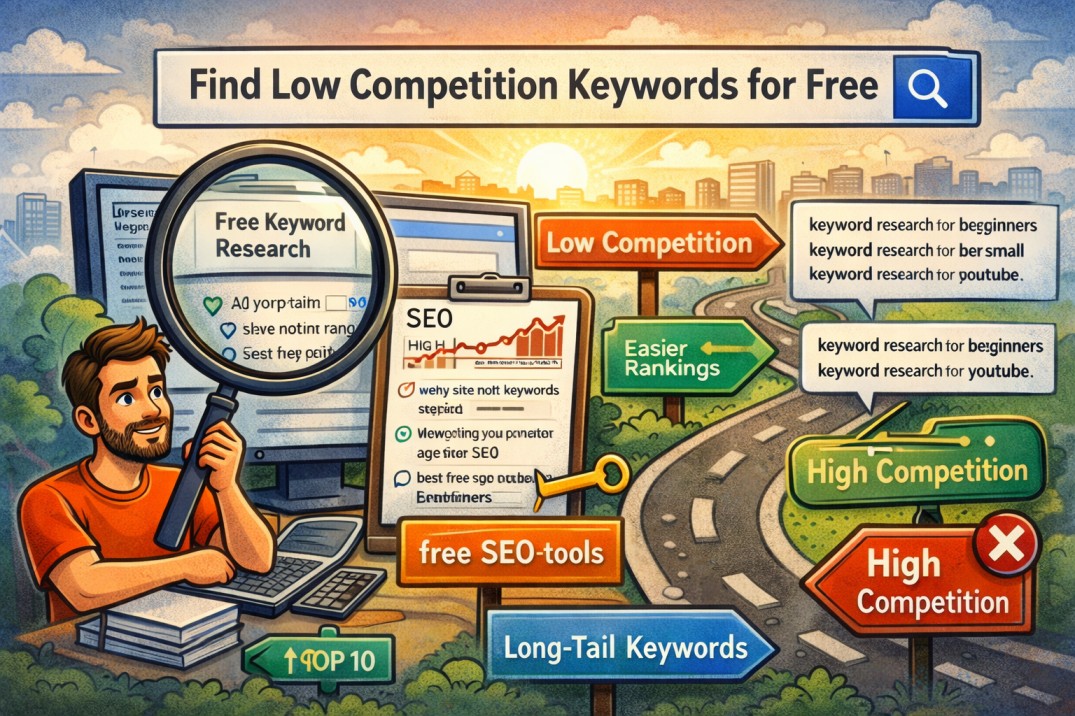
2. Do Keyword Research Using Free Tools
You don’t need paid tools to find good keywords.
Free options:
-
Google Search suggestions
-
People Also Ask section
-
Google Trends
-
Google Search Console
Tip:
Focus on long-tail keywords with lower competition.
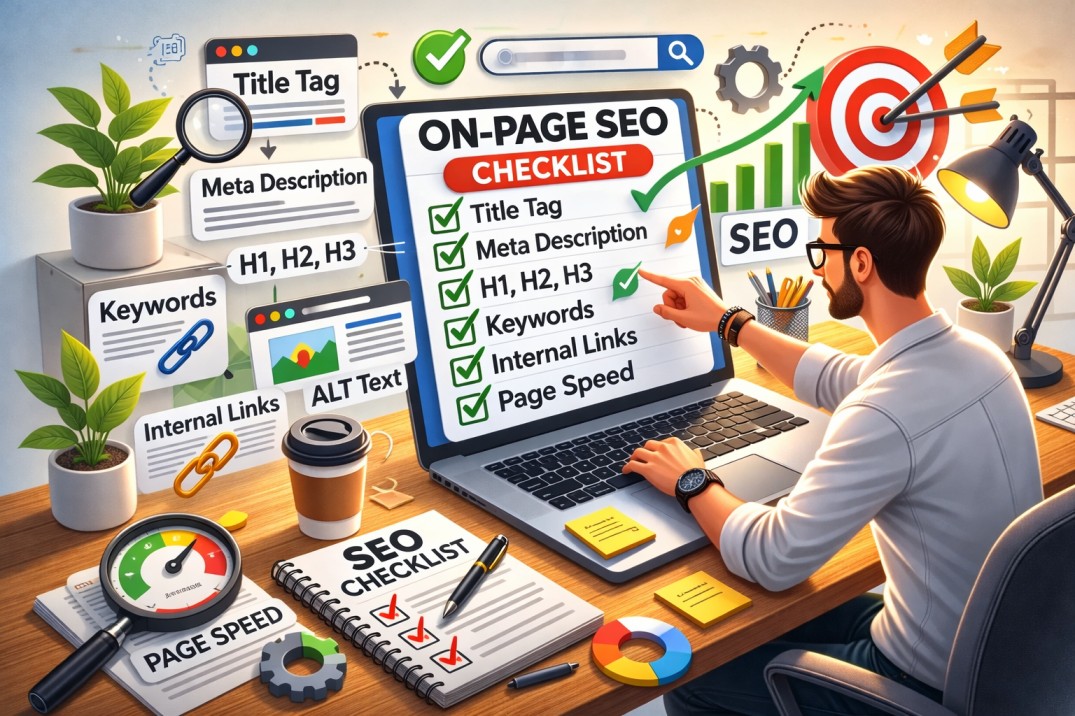
3. Optimize On-Page SEO Manually
On-page SEO can be done completely for free.
Checklist:
-
One main keyword per page
-
Keyword in title, URL, and first paragraph
-
Use H1 for title, H2/H3 for subheadings
-
Optimize meta title & description
-
Add internal links
Small improvements here make a big difference.
4. Improve Website Speed Without Paid Tools
Page speed affects rankings and user experience.
Free actions:
-
Compress images (TinyPNG, ImageOptim)
-
Enable browser caching
-
Use lightweight themes
-
Remove unnecessary plugins
-
Test with Google PageSpeed Insights
5. Build Internal Links Strategically
Internal linking helps Google understand your site structure.
Best practices:
-
Link related articles together
-
Use descriptive anchor text
-
Avoid over-linking
-
Create pillar pages for main topics
This improves crawling and user engagement.
6. Earn Backlinks the Natural Way
Backlinks don’t require money—only effort.
Free backlink ideas:
-
Guest posting on related blogs
-
Sharing content in forums & communities
-
Answering questions on Quora & Reddit
-
Creating helpful resources others want to link to
Quality always beats quantity.
7. Use Google Search Console Properly
This is one of the most powerful free SEO tools.
Use it to:
-
Find pages with impressions but low CTR
-
Fix indexing issues
-
Submit sitemaps
-
Discover new keyword opportunities
Many sites ignore this goldmine.
8. Improve User Experience (UX)
Google favors websites that users enjoy.
Improve UX by:
-
Mobile-friendly design
-
Clear navigation
-
Fast-loading pages
-
No intrusive popups
-
Readable fonts
Better UX = better SEO.
Conclusion
You don’t need paid tools to succeed in SEO.
With strong content, smart optimization, free Google tools, and patience, you can build sustainable rankings and traffic.
SEO is not about tools — it’s about strategy and consistency.
by IQ-SEOTools