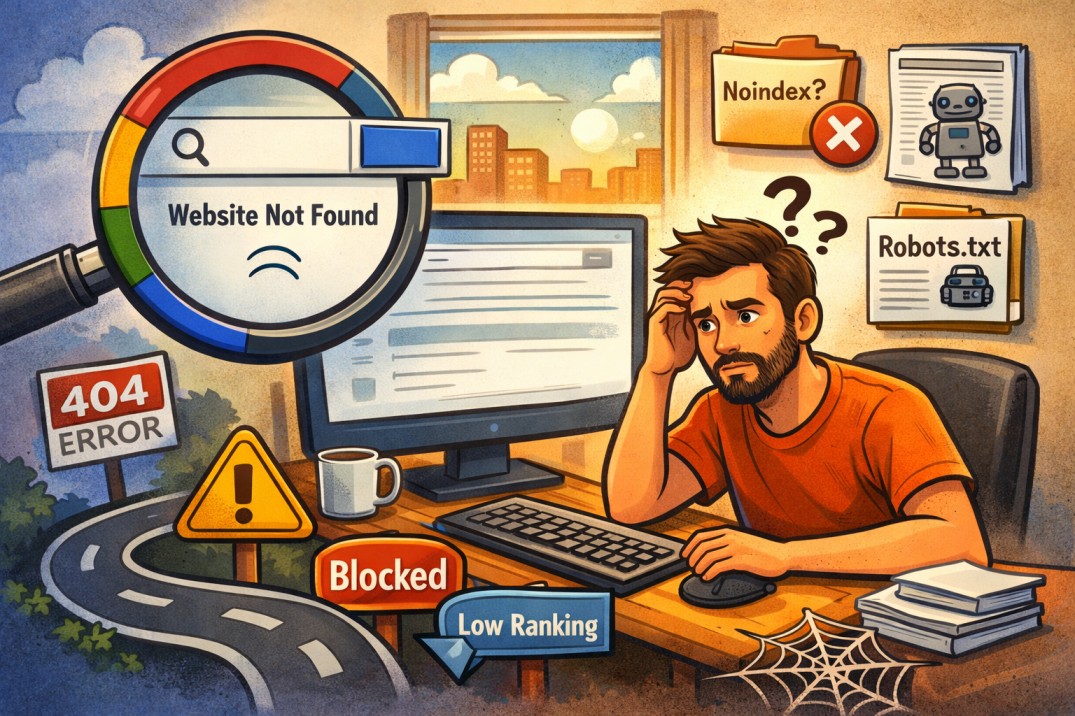
Why SEO Tools Give Different Results (And Which to Trust)
Introduction
If you’ve ever used more than one SEO tool, you’ve probably noticed something confusing:
the results are never exactly the same.
One tool shows your website has 1,200 backlinks.
Another shows only 850.
A third tool ranks your keyword on page 2, while another says page 4.
So why does this happen?
And more importantly — which SEO tool should you trust?
Let’s break it down clearly and honestly.
1. Each SEO Tool Uses Its Own Database
SEO tools do not use Google’s private data.
Instead, each tool builds its own database by crawling the web.
This means:
-
Different crawling speeds
-
Different discovered links
-
Different update schedules
🔹 Result: Different data, different numbers
2. Crawling Frequency Makes a Big Difference
Some tools update data:
-
Daily
-
Weekly
-
Monthly
If a backlink was recently created or removed, one tool may detect it while another hasn’t yet.
This is why:
-
Backlink counts vary
-
Keyword positions change between tools
3. Keyword Ranking Is an Estimation (Not Exact)
Google rankings depend on:
-
Location
-
Device type
-
Search history
-
Personalization
SEO tools simulate searches, but:
-
They use fixed locations
-
They don’t reflect real user behavior
👉 Rankings shown by tools are estimates, not absolute truth.
4. Different Metrics, Different Calculations
Metrics like:
-
Domain Authority (DA)
-
Domain Rating (DR)
-
Trust Flow
⚠️ These are NOT Google metrics.
Each tool:
-
Uses its own algorithm
-
Weighs links differently
-
Applies unique scoring systems
So a high score in one tool doesn’t guarantee a high score in another.
5. Which SEO Data Should You Actually Trust?
✅ Most Reliable Sources
-
Google Search Console
-
Google Analytics
These come directly from Google and show:
-
Real impressions
-
Actual clicks
-
True indexing status
✅ Best Use of SEO Tools
SEO tools are best for:
-
Trend analysis
-
Competitor comparison
-
Finding SEO opportunities
-
Detecting issues
❌ They should NOT be used as absolute truth.
For a deeper comparison between automated tools and manual analysis, read our guide on SEO Tools vs Manual SEO.
6. Should You Use More Than One SEO Tool?
Yes — but smartly.
Best practice:
-
Use 1 main SEO tool
-
Use others only for cross-checking
-
Focus on trends, not exact numbers
Consistency matters more than perfection.
If you're curious about real-world testing, you can also see How I Tested Free SEO Tools and what results different tools produced.
Final Verdict: Which Tool Should You Trust?
✔ Trust Google for real performance
✔ Trust SEO tools for insights and direction
❌ Don’t trust any single number blindly
SEO success comes from strategy, content quality, and patience — not tools alone.